Navigating the Complexities of Healthcare: Broker Insights and Innovations
The role of healthcare brokers has evolved dramatically in recent years. Once viewed primarily as intermediaries connecting employers with insurance carriers, brokers now serve as strategic advisors, data analysts, and technology partners. The healthcare landscape is growing increasingly complex with rising costs, expanding compliance requirements, and new digital tools. Because of this, brokers are redefining how organizations manage and deliver employee health benefits.
The Modern Broker’s Expanding Role
Today’s brokers do far more than negotiate renewals or analyze plan pricing. They help employers craft benefit strategies that align with business goals, employee demographics, and wellness objectives. Their expertise now spans regulatory frameworks, risk management, population health, and digital innovation. In self-funded arrangements, brokers must understand not only the structure of a health plan but also the behaviors that drive its success. How employees access care, whether they understand their benefits, and how often they engage with lower-cost services like telemedicine can all influence total plan performance.
Balancing Cost and Quality in Self-Funded Plans
For many employers, the primary challenge remains finding equilibrium between cost control and quality of care. Self-funded plans offer flexibility and transparency but come with added complexity in claims management and compliance. Brokers are addressing these challenges by analyzing historical utilization patterns to forecast costs, recommending appropriate stop-loss coverage, and identifying opportunities for early intervention through preventive programs and virtual care.
Leveraging Digital Tools for Member Engagement
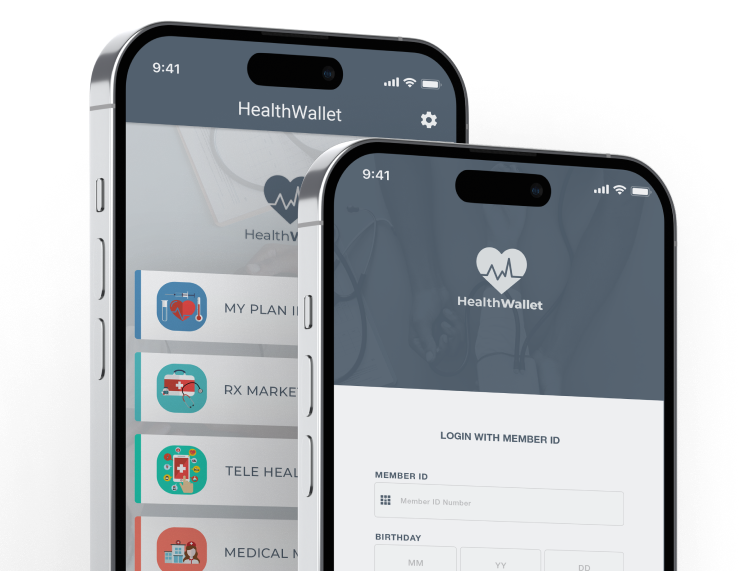
A growing number of brokers are turning to digital health platforms to strengthen communication and simplify the member experience. Tools like HealthWallet exemplify how technology can bring clarity and accessibility to complex benefit programs by providing a single, mobile point of access for all plan resources. When members can easily find their ID cards, connect to telemedicine, review coverage, and receive benefit reminders, they’re more likely to use their benefits appropriately and consistently.
Innovation Through Data and Collaboration
Beyond digital access, data analytics is transforming how brokers design and manage health plans. By reviewing claims trends, pharmacy utilization, and demographic patterns, brokers can identify where costs originate and where interventions may have the greatest impact. This data-driven approach enables brokers to move from transactional advising to long-term strategic consulting. Collaboration also plays a major role. Brokers today work closely with Third-Party Administrators (TPAs), wellness vendors, and virtual care partners to ensure members receive coordinated, efficient care.
The Future of Brokerage in Healthcare
As healthcare continues to evolve, the broker’s role will only grow in importance. With the shift toward digital health ecosystems and data-driven benefits design, brokers will need to maintain both strategic insight and technological fluency. By guiding organizations through the intricacies of self-funded plans and championing tools that simplify the member experience, today’s brokers are not just managing healthcare—they’re reshaping it.